
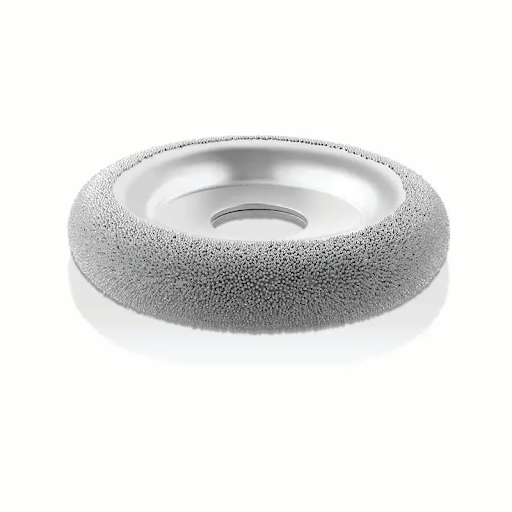
Quality tire repair begins with quality surface preparation, and surface preparation requires the right tools. Tire buffing tools for repair are the backbone of every professional tire shop, section repair operation, and retread facility. The difference between a patch that holds for the life of the tire and one that fails early almost always comes back to how thoroughly and cleanly the repair surface was prepared. Understanding which buffing tools matter and how to choose them makes every repair stronger and more reliable.
What Buffing Tools Actually Do
Surface buffing removes the smooth inner liner or outer rubber to expose the rough, textured surface that adhesives and patches need for proper chemical and mechanical bonding. Without this step, even the best patch cannot form a reliable repair.
Key Functions
- Remove smooth inner liner to expose bondable rubber.
- Clean the patch area of contaminants and loose material.
- Roughen the surface for optimal adhesive grip.
- Shape the repair area to accept different patch sizes.
- Prepare section repair areas for large-scale repairs.
- Support skiving and injury trimming during preparation.
Types of Buffing Tools Professional Shops Use
Carbide Buffing Wheels
Tungsten carbide buffing wheels are the most common choice for inner liner preparation. The carbide teeth cut cleanly through smooth rubber without overheating or glazing the surface.
Rubber Abrasive Wheels
Rubber-bonded abrasive wheels provide a smoother finish and are often used for secondary preparation after initial rough buffing. They remove residue from the carbide stage and leave a consistent clean surface.
Buffing Rasps
Cylindrical carbide rasps are designed for working inside the tire casing where flat wheels cannot reach. They handle inner liner preparation in tough-to-access areas.
Skiving Tools
Skiving wheels and cutters shape the repair injury itself, removing damaged rubber and preparing a clean cavity for filling and patching.
Choosing the Right Tool for Each Job
Different repair types require different buffing approaches. Nail-hole punctures use smaller tools preparing small patch areas. Section repairs require aggressive removal of damaged rubber and preparation of much larger areas, which calls for larger-diameter wheels and specialized rasps. Sidewall repairs demand tools compatible with curved tire geometry. Matching the tool to the repair ensures both quality and efficiency on every job the shop sees.
Shaft Compatibility and Mounting
Professional buffing tools mount to specific shaft diameters. Matching the tool to the right shaft matters for both performance and safety.
Common Shaft Standards
- 1/4-inch shaft tools for pneumatic and electric hand-held buffers.
- Larger shaft tools for heavy-duty floor or bench-mounted buffers.
- Threaded mount systems for commercial-grade equipment.
- Collet-mounted tools for precision applications.
- Retread equipment with specialized mounting standards.
Maintaining Tools for Long Service Life
Tungsten carbide buffing tools are durable but benefit from proper care. Store them in clean, dry conditions to prevent oxidation. Inspect tools regularly for missing or worn carbide teeth—a worn wheel produces inconsistent surface preparation. Clean tools after each use to remove rubber residue. Replace tools when performance begins to degrade rather than waiting for complete failure, because a marginal tool silently reduces repair quality long before it becomes unusable.
Safety Considerations for Buffing
Tire buffing generates significant rubber dust and heat. Always use a properly rated dust collection system. Wear safety glasses and a respirator rated for rubber dust. Keep tool RPM within manufacturer specifications—overspeeding a wheel is a leading cause of tool failure and injury. Secure the tire firmly on a proper mounting system rather than hand-holding during active buffing.
Finding the Right Fit
The quality of tire buffing tools varies significantly between manufacturers. Professional shops that rely on consistent daily performance choose suppliers with proven carbide quality, reliable availability, and technical support for complex repair applications. For shops evaluating new tire buffing tools, comparing different tire buffer systems, and sourcing specialized tools for tire patch preparation across a range of repair types, working with a manufacturer that specializes specifically in tire repair tooling produces noticeably better results than generic abrasive suppliers whose products are not engineered for this specific application.