
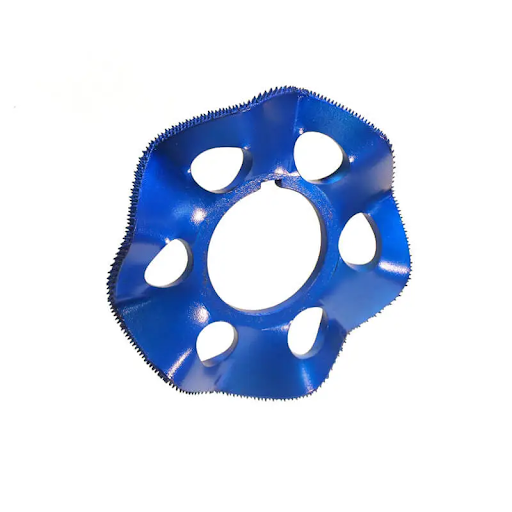
In the world of tire and rubber repair, surface preparation is everything. A repair that fails almost always traces back to poor prep work — contaminated surfaces, uneven texture, or inadequate roughening that prevents bonding materials from adhering properly. A tire buffer is the professional tool that eliminates these problems before they start, creating the ideal surface condition for patches, compounds, and adhesives to bond with maximum strength. Whether you are working on passenger tires, heavy equipment tracks, or industrial rubber components, getting the surface right is not optional. It is the single most important step in any successful repair process.
Why Surface Preparation Determines Repair Quality?
No repair compound, patch, or bonding agent can perform to its full potential on a surface that has not been properly prepared. Rubber surfaces accumulate oxidation, release agents from manufacturing, road contaminants, and moisture — all of which act as barriers between the repair material and the substrate. Professional buffing removes these barriers by creating a clean, uniformly roughened surface with the right texture profile to maximize mechanical adhesion. A quality tire buffer delivers consistent abrasion depth and surface uniformity that hand tools and improvised methods simply cannot match. The difference in repair longevity between a properly buffed surface and an unprepared one is dramatic, often determining whether a repair lasts months or years.
Types of Tire Buffers and Their Applications
Tire buffers come in several configurations designed for different repair scenarios. Handheld pneumatic buffers are compact and maneuverable, ideal for spot repairs on sidewalls and tread areas where precision matters more than speed. Bench-mounted buffers offer greater stability and torque for high-volume repair operations in commercial tire shops. Variable-speed models give technicians control over aggressiveness, allowing them to adjust buffing intensity based on rubber thickness and repair type. A tire buffer designed for heavy-duty applications typically features carbide or steel rasp attachments that can handle the dense rubber compounds found in industrial tires, off-road equipment, and specialty vehicles without loading up or losing cutting efficiency.
The Role of a Rubber Buffing Tool in Professional Repairs
While buffers provide the power and motion, the cutting attachment itself plays an equally important role in determining surface quality. A rubber buffing tool — referring specifically to the rasp, grinding stone, or abrasive attachment used with the buffer — must be matched to the rubber type and repair requirement. Fine-grit attachments are used for final surface finishing before patch application, while coarser options handle initial material removal and shaping. Using the wrong attachment can either leave a surface too smooth for proper adhesion or remove too much material and compromise the structural integrity of the tire.
Using a Rubber Track Repair Kit With Proper Buffing Techniques
Heavy equipment operators and construction professionals frequently deal with damaged rubber tracks on excavators, compact track loaders, and similar machinery. A rubber track repair kit addresses cuts, tears, and delamination in these demanding applications, but the quality of the repair depends entirely on how well the damaged area is prepared beforehand. Buffing the repair zone removes surface oxidation, opens the rubber's pore structure, and creates the mechanical profile that track repair compounds need to form a durable bond.
Conclusion
Precision surface preparation is the cornerstone of every successful rubber repair, and the right tools make all the difference. From handheld pneumatic units to specialized attachments, investing in quality equipment pays dividends in repair durability and professional results. A tire buffer wheel paired with the correct abrasive attachment gives technicians complete control over surface texture, ensuring every repair — whether on a passenger tire or heavy industrial rubber component — starts with the strongest possible foundation.