
High-volume tire repair workflows demand speed, precision, and consistency to maintain productivity and profitability. Workshops handling continuous repair cycles must rely on efficient equipment and optimized processes to avoid delays and costly errors. In such environments, tire buffing tools play a critical role in preparing surfaces for reliable patching and bonding. Proper tool selection and usage directly impact turnaround time and repair quality. By implementing smart techniques and maintenance practices, technicians can streamline operations, reduce downtime, and ensure every repair meets industry standards without compromising safety or long-term durability.
Optimize Tool Selection for Workflow Efficiency
Choosing the right equipment is the foundation of any efficient repair operation. High-performance tire buffing tools designed for continuous use can significantly reduce fatigue and improve consistency across multiple repairs. Selecting tools with ergonomic designs and adjustable speed controls allows technicians to handle different tire types with precision. Investing in durable and reliable equipment not only enhances workflow efficiency but also reduces the need for frequent replacements and unexpected downtime in busy workshops.
Maintain Consistency in Surface Preparation
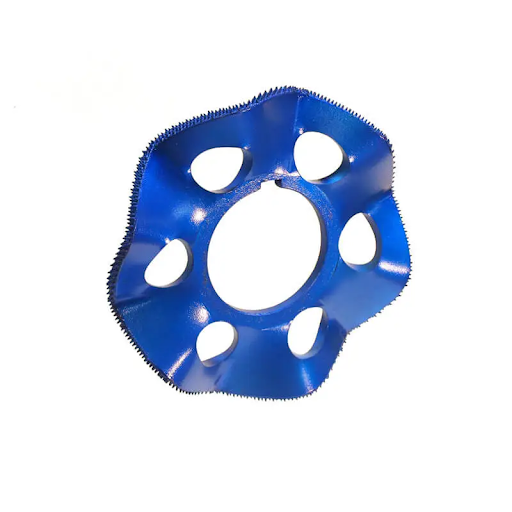
Consistency is critical when handling large volumes of tire repairs. Proper use of a tire buffer wheel ensures that each tire surface is prepared evenly, eliminating irregularities that can compromise repair quality. Technicians should focus on controlled buffing techniques to avoid over-grinding or under-preparing the surface. Using the right wheel type helps maintain uniform texture, which is essential for effective bonding. Standardizing preparation methods across the team ensures that every repair meets the same quality benchmarks, reducing the risk of failures and improving overall customer satisfaction.
Reduce Downtime with Preventive Maintenance
Equipment downtime can disrupt workflow and impact productivity in high-volume environments. Regular inspection and maintenance of tire buffing tools help prevent unexpected breakdowns and ensure consistent performance. Cleaning tools after each use, checking for wear, and replacing worn components can extend the lifespan of the equipment. Scheduled maintenance routines also allow technicians to identify potential issues before they escalate, ensuring uninterrupted operations. A proactive approach to maintenance minimizes delays and keeps repair workflows running smoothly even during peak demand periods.
Improve Speed Without Compromising Accuracy
Balancing speed and accuracy is essential for maximizing output in busy repair shops. Efficient handling of equipment during tire buffing for repair enables technicians to complete tasks quickly while maintaining precision. Using the correct pressure and speed settings helps achieve optimal surface preparation without damaging the tire structure. Training staff on proper techniques ensures that speed does not come at the cost of quality. By refining workflow processes and minimizing unnecessary steps, workshops can increase throughput while maintaining high repair standards and reducing rework rates.
Streamline Workflow Through Training and Standardization
A well-trained team is key to maintaining efficiency in high-volume repair operations. Consistent use of tire buffing tools across all technicians ensures uniform results and reduces variability in repair quality. Establishing standardized procedures allows teams to work more cohesively and efficiently. Training programs should focus on best practices, tool handling, and safety measures to improve overall performance. When every technician follows the same optimized workflow, businesses can achieve faster turnaround times, improved accuracy, and better resource utilization.
Conclusion
Efficient tire repair operations rely on the right balance of tools, techniques, and consistent workflows to meet high-volume demands. By focusing on proper equipment selection, maintenance, and technician training, workshops can significantly enhance productivity while maintaining repair quality. Integrating reliable solutions such as donut wheels into the process further improves precision in surface preparation and supports consistent results across multiple repairs. Adopting these best practices not only minimizes downtime but also ensures long-term performance, helping businesses stay competitive in fast-paced repair environments.