
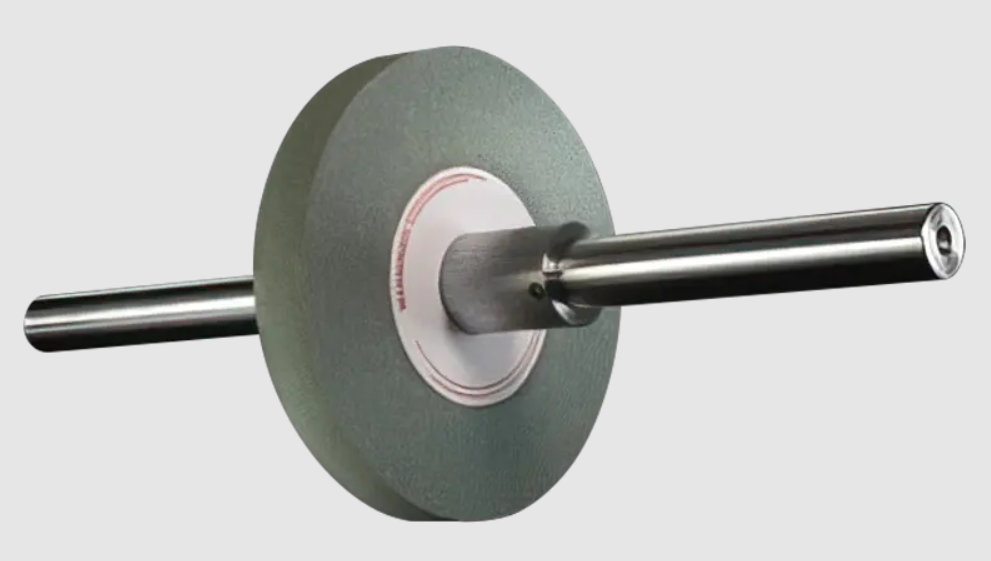
Grinding technology plays a crucial role in industries that work with rubber, elastomers, polyurethane, and various industrial roller systems. Achieving accurate dimensions, smooth finishes, and efficient material removal requires specialized tools designed specifically for these materials. Among the most effective solutions available today is the rubber grinding wheel, which helps manufacturers improve productivity while maintaining high-quality surface finishes.
From roller resurfacing and tire processing to industrial component manufacturing, rubber grinding wheels are widely used to achieve precision results. Understanding their functions, benefits, and applications can help businesses optimize grinding operations and improve overall efficiency.
What Is a Rubber Grinding Wheel?
A rubber grinding wheel is a specialized grinding tool designed to remove rubber and elastomer materials in a controlled and efficient manner. Unlike conventional grinding wheels that may generate excessive heat and friction, rubber grinding wheels are often engineered to provide smoother cutting action and improved material removal.
These wheels are commonly used in industries such as:
- Rubber roller manufacturing
- Printing and converting operations
- Tire repair and retreading
- Polyurethane processing
- Industrial rubber component production
Because rubber materials respond differently to grinding than metals, specialized wheel designs are often required to achieve optimal results.
Why Precision Grinding Matters
Rubber products often require exact dimensions and surface finishes to perform correctly. Even small inconsistencies can affect functionality, product quality, and operational performance.
Maintaining Dimensional Accuracy
A rubber grinding wheel helps operators remove material with precision, ensuring that components meet required specifications. This is particularly important for industrial rollers used in printing, packaging, and manufacturing processes.
Improving Surface Finish
Smooth and consistent surfaces contribute to better product performance. Precision grinding helps eliminate imperfections, resulting in improved functionality and reliability.
Enhancing Production Efficiency
Efficient grinding processes reduce rework, minimize waste, and help manufacturers maintain consistent production standards.
Key Benefits of Rubber Grinding Wheels
Controlled Material Removal
One of the primary advantages of a rubber grinding wheel is its ability to remove material in a controlled manner. This precision helps operators achieve desired dimensions without compromising the integrity of the workpiece.
Reduced Heat Generation
Excessive heat can damage rubber materials and negatively impact their physical properties. Specialized grinding wheel designs help reduce heat buildup during operation, contributing to improved material quality.
Longer Tool Life
Modern grinding technologies often incorporate durable cutting structures that extend wheel lifespan and reduce replacement frequency.
Consistent Results
Manufacturers rely on rubber grinding wheel solutions because they provide repeatable and predictable performance across a variety of applications.
Common Applications of Rubber Grinding Wheels
Industrial Roller Grinding
Industrial rollers are used extensively in printing, packaging, paper production, and converting operations. Over time, these rollers may require resurfacing to restore performance.
A rubber grinding wheel helps technicians remove worn material while maintaining precise roller dimensions and surface quality.
Polyurethane Processing
Polyurethane products often require precision grinding to achieve smooth finishes and accurate dimensions. Specialized grinding wheels provide the control necessary for these demanding applications.
Tire Manufacturing and Repair
Grinding plays a vital role in preparing tire surfaces for repair and retreading procedures. Proper material removal helps ensure strong bonding and reliable performance.
Rubber Component Production
Manufacturers producing seals, gaskets, and other elastomer components frequently use grinding processes to achieve required tolerances and surface characteristics.
Factors to Consider When Selecting a Rubber Grinding Wheel
Material Type
Different rubber compounds vary in hardness, elasticity, and composition. Selecting the appropriate wheel helps optimize performance for specific materials.
Surface Finish Requirements
The desired finish quality influences wheel selection and grinding parameters.
Production Volume
High-volume operations may prioritize durability and efficiency, while specialized applications may focus on precision and finish quality.
Equipment Compatibility
Ensuring compatibility with existing grinding equipment is essential for achieving safe and effective operation.
Choosing the right rubber grinding wheel can significantly impact productivity, product quality, and operational costs.
Best Practices for Rubber Grinding
Use Proper Operating Speeds
Maintaining recommended speeds helps optimize cutting performance while minimizing heat generation.
Monitor Wheel Condition
Regular inspection of grinding wheels can help identify wear and maintain consistent performance.
Maintain Equipment Properly
Routine maintenance of grinding machinery supports precision, safety, and reliability.
Follow Material-Specific Guidelines
Different rubber compounds may require unique grinding techniques to achieve the best results.
By following these best practices, operators can maximize the benefits of their grinding equipment and improve overall production efficiency.
The Future of Rubber Grinding Technology
Advancements in grinding technology continue to improve performance, efficiency, and precision. Modern wheel designs are increasingly focused on reducing heat generation, extending tool life, and enhancing surface quality.
As industries continue to demand tighter tolerances and higher productivity, grinding solutions will play an increasingly important role in supporting manufacturing excellence.
Conclusion
Precision grinding remains a critical process in industries that work with rubber, polyurethane, and elastomer materials. A rubber grinding wheel provides the accuracy, consistency, and efficiency needed to achieve high-quality results across a wide range of applications. For businesses involved in tire retreading and repair operations, pre-cured tread cutting tools can further support precision preparation processes and contribute to reliable, long-lasting results. From industrial roller resurfacing to component manufacturing and tire processing, these specialized tools help improve product quality and operational performance.