
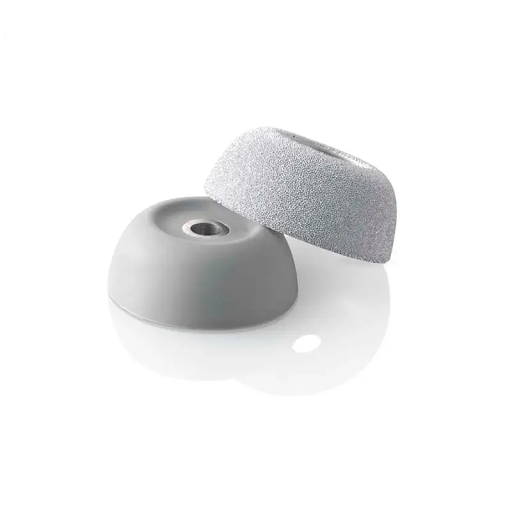
Modern automotive maintenance relies heavily on specialized equipment that ensures safety, durability, and efficiency. Among these, tire tools play a crucial role in repairing punctures, preparing surfaces, and restoring tire performance. These tools are used in both professional workshops and advanced DIY setups to handle different types of tire damage.
In the tire service industry, these tools are essential for ensuring that repairs are completed accurately, especially when dealing with tread damage or inner liner preparation. Without proper tools, achieving a long-lasting repair becomes difficult and unsafe.
Understanding the Role of Tire Tools in Repair
The repair process of a tire involves multiple stages, including inspection, damage assessment, surface preparation, and sealing. Each stage requires specific tire tools designed to improve precision and efficiency.
For example, plug kits are often used for quick external repairs, while internal patch systems require more advanced tools. These include buffers, scrapers, and cutting instruments that help prepare the inner surface before applying a patch.
The correct use of tire tools ensures that repairs are structurally sound and capable of withstanding road conditions over time.
Common Tools Used in Tire Repair
There are several categories of tools used in tire maintenance and repair. A patch kit is one of the most commonly used solutions for sealing internal punctures. It typically includes adhesive patches, rubber cement, and preparation materials.
Another important tool is the rotary knife, which is used to cut damaged rubber or trim excess material during repair. This tool allows technicians to cleanly remove irregular sections without damaging the surrounding tire structure.
These tools work together to ensure that the repair area is properly prepared and ready for sealing. In professional environments, accuracy at this stage directly affects the durability of the repair.
Surface Preparation and Buffing in Tire Repair
One of the most critical steps in tire repair is surface preparation. This is where specialized equipment known as tire buffing tools comes into use. These tools are designed to roughen the inner surface of the tire, allowing adhesives and patches to bond more effectively.
Proper buffing removes contaminants, smooth coatings, and oxidation layers from the rubber surface. This step ensures that the patch or repair material adheres strongly, reducing the risk of air leakage or failure.
In many repair shops, technicians rely on mechanical buffing tools because they provide a consistent surface texture, which is essential for high-quality repairs.
Importance of Precision in Tire Repair Operations
Accuracy is a key factor in successful tire repair. Using the correct tools ensures that the damaged area is properly cleaned, shaped, and sealed. Even small errors during preparation can lead to air loss or reduced tire lifespan.
Tools like the rotary knife are particularly important when removing damaged sections or preparing cuts for patch application. Similarly, buffing equipment ensures that the inner liner is properly conditioned for bonding.
A well-executed repair process not only restores functionality but also ensures driver safety on the road.
Professional vs DIY Tire Repair Tools
There is a significant difference between professional-grade and DIY tire tools. Professional tools are designed for durability, precision, and repeated use in high-volume environments. They often include advanced buffing machines, hydraulic equipment, and industrial-grade cutting tools.
DIY kits, on the other hand, are designed for emergency repairs and basic maintenance. While they can temporarily fix punctures, they may not provide the same level of reliability as professional tools.
Understanding this difference helps users choose the right equipment based on their needs and level of expertise.
Maintenance and Safety Considerations
Proper maintenance of these tools is essential for consistent performance. Tools should be cleaned after each use to prevent rubber buildup and corrosion. Cutting tools like rotary knives must be kept sharp to ensure clean and accurate cuts.
Safety is also a major consideration. Improper use of repair tools can damage tire structure or lead to incomplete sealing, which may result in failure during driving conditions.
Conclusion
Tire repair is a precise process that depends heavily on the quality and correct use of specialized equipment. Tire buffing tools for repair play a vital role in ensuring proper surface preparation and long-lasting adhesion in professional tire maintenance systems. Tools for the tire ensure that each stage of repair, from inspection to final sealing, is performed accurately and safely.