
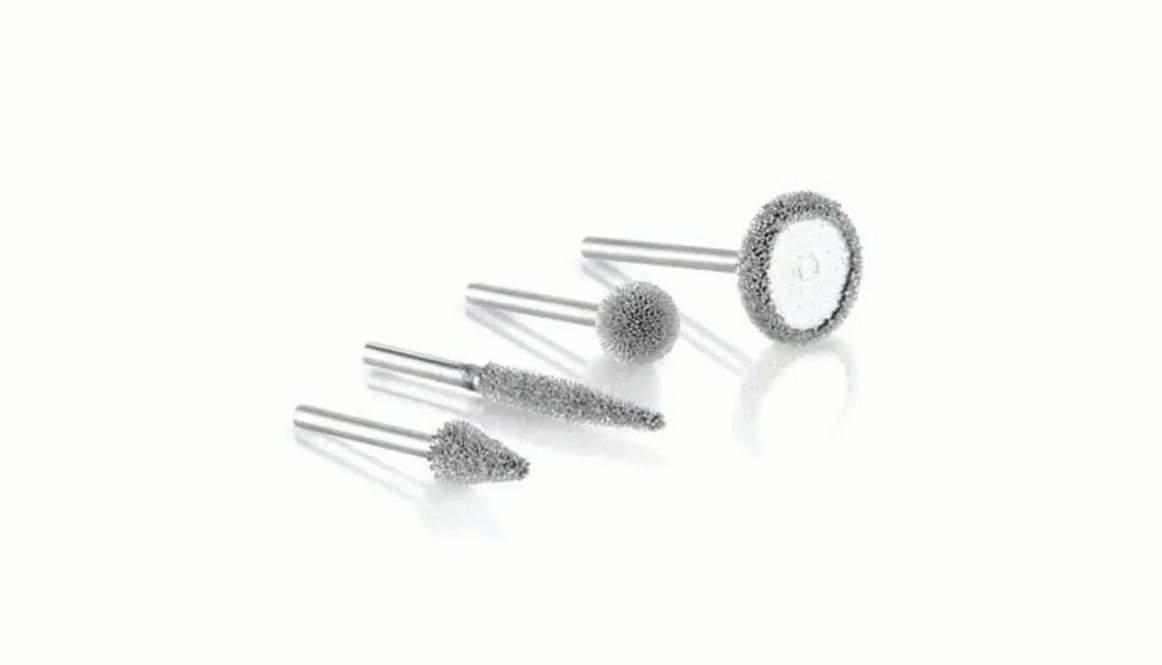
Rubber processing and repair applications require tools that can remove material efficiently while maintaining accuracy and surface control. Whether used in tire repair, rubber shaping, or industrial applications, choosing the right equipment is essential for achieving consistent results. A carbide buffing rasp is a specialized tool designed to provide controlled rubber removal, helping professionals prepare surfaces, shape materials, and improve repair quality.
Unlike conventional abrasive methods that rely mainly on friction, carbide-based tools use cutting action to remove rubber effectively. This approach allows technicians to achieve smoother results while reducing excessive heat generation during operation. A carbide buffing rasp is commonly used where precision, durability, and reliable performance are important factors in rubber preparation processes.
What Is a Carbide Buffing Rasp?
A carbide buffing rasp is a rotary tool designed with carbide cutting surfaces that remove rubber and other elastomer materials through controlled cutting action. These tools are commonly used by professionals who require accurate shaping, cleaning, and surface preparation.
The carbide structure provides several advantages compared with traditional abrasive solutions. Instead of depending only on abrasive particles that wear down over time, carbide cutting surfaces maintain sharp edges that efficiently remove material.
Common applications include:
- Tire repair preparation
- Rubber shaping
- Surface cleaning
- Industrial rubber processing
- Elastomer modification
- Repair cavity preparation
These tools are especially valuable when technicians need consistent material removal without damaging surrounding areas.
Why Carbide Tools Are Effective for Rubber Applications
Rubber behaves differently from harder materials because it is flexible, heat-sensitive, and can quickly load traditional grinding surfaces. Specialized carbide tools are designed to address these challenges by providing controlled cutting performance.
Key advantages include:
Efficient Material Removal
Carbide cutting structures allow technicians to remove rubber quickly while maintaining control over the work area. This improves efficiency during repair and manufacturing processes.
Reduced Heat Generation
Excessive heat can affect rubber properties and reduce repair quality. Cutting-based carbide technology helps minimize friction compared with some traditional abrasive approaches.
Longer Tool Life
Carbide tools are known for durability and resistance to wear, making them suitable for demanding professional applications where equipment reliability is important.
Applications of Carbide Buffing Rasps
A carbide buffing rasp can be used across different industries and applications where rubber or elastomer materials require shaping or preparation.
Tire Repair
In tire repair environments, technicians use carbide tools to remove damaged rubber, prepare repair areas, and create surfaces suitable for bonding. Proper preparation helps improve the strength and reliability of tire repairs.
Rubber Roller Manufacturing
Industrial rubber rollers often require precise shaping and finishing. Carbide-based tools help manufacturers achieve consistent profiles and surface conditions.
Elastomer Processing
Rubber and polyurethane components used in industrial applications may require trimming, smoothing, or reshaping. Carbide tools provide controlled performance for these tasks.
Difference Between Carbide Buffing Tools and Abrasive Tools
Traditional abrasive tools remove material through friction between abrasive particles and the work surface. While effective in some applications, they may generate more heat and can wear down faster.
Carbide cutting tools work differently by using sharp cutting edges to remove material mechanically. This can provide:
- Faster material removal
- Better control
- Reduced surface loading
- Consistent performance
For specialized rubber applications, selecting the right tool depends on the material type, required finish, and operating conditions.
Understanding Rubber Grinding Wheels
A rubber grinding wheel is another specialized solution used for processing rubber and elastomer materials. These wheels are designed for applications such as rubber roller grinding, resurfacing, and finishing.
Modern rubber grinding systems may use structured carbide tooth technology rather than conventional abrasive surfaces. This design helps improve material removal rates while maintaining consistent finishes on rubber components.
Common uses include:
- Rubber roller resurfacing
- Polyurethane grinding
- Elastomer finishing
- Industrial roll preparation
Selecting the correct wheel design depends on factors such as material hardness, required surface finish, and production requirements.
Role of Rubber Abrasive Wheels in Surface Preparation
A rubber abrasive wheel is commonly associated with surface preparation processes where controlled removal and finishing are required. These wheels can be used for shaping, smoothing, and refining rubber surfaces.
When choosing an abrasive-style solution, professionals should consider:
- Material compatibility
- Required removal rate
- Surface finish expectations
- Heat control requirements
- Equipment specifications
Different applications may require different levels of aggressiveness, from heavy material removal to fine finishing.
Choosing the Right Rubber Processing Tool
Selecting the appropriate tool requires evaluating several factors:
Material Type
Different rubber compounds and elastomers have different hardness levels. Tool selection should match the specific material being processed.
Application Requirements
A tool used for tire repair may require different characteristics than one used for industrial roller finishing.
Desired Surface Finish
Some applications require aggressive removal, while others require smooth and precise finishing.
Equipment Compatibility
The tool must be suitable for the machine speed, mounting system, and operating environment.
Maintenance and Safety Considerations
Proper handling and maintenance help extend tool life and improve safety.
Recommended practices include:
- Inspecting tools before use
- Following operating speed recommendations
- Replacing damaged components
- Keeping equipment clean
- Using protective safety equipment
- Storing tools properly
Regular inspection helps prevent performance issues and ensures consistent results during demanding applications.
The Future of Rubber Processing Tools
Advancements in carbide technology continue to improve the efficiency and reliability of rubber processing equipment. Modern tools focus on reducing heat, improving control, and extending service life while supporting more precise manufacturing and repair processes.
As industries continue to rely on rubber and elastomer components, specialized cutting and grinding solutions will remain important for maintaining quality and productivity.
Conclusion
A carbide buffing rasp provides professionals with a reliable solution for controlled rubber removal, surface preparation, and shaping applications. Its cutting-based design helps improve efficiency, reduce heat buildup, and deliver consistent results across various rubber processing tasks. While tools such as a rubber grinding wheel and rubber abrasive wheel serve important roles in finishing and grinding operations, choosing the correct equipment for each application is essential for achieving the best performance and surface quality.